Why It Matters Today
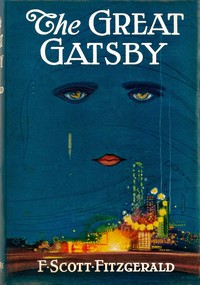
'The Great Gatsby' remains a critical lens for understanding the American Dream, wealth inequality, and social stratification in the 2020s, as society grapples with similar themes of class and aspiration.
Modern Connections
Big Ideas
The American Dream is often an illusion.
Chasing after wealth and status can lead to emptiness, just like Gatsby's lavish parties didn't bring him true happiness.
Love and desire can lead to self-destruction.
Getting consumed by your first love or an unrealistic ideal can cause you to lose sight of reality.
Class divisions are deep and often insurmountable.
No matter how much money you have, there are emotional and social barriers that are hard to cross.
What You'll Learn
- The complexities of navigating social status and identity.
- The dangers of idealizing the past and chasing dreams that may not be attainable.
- Historical context of the Roaring Twenties and its cultural significance.
Reader Fit
✅ Good For
- Readers interested in American history and literature.
- Those fascinated by themes of love, wealth, and social status.
- Anyone who appreciates richly woven narratives and complex characters.
⚠ Not Ideal For
- Readers seeking fast-paced action or modern storytelling techniques.
- Those who dislike intricate prose and symbolism.
Controversies & Critiques
- Critics argue that the portrayal of women lacks depth and reinforces stereotypes.
- Some modern readers may find the depiction of class struggle outdated or overly romanticized.
Reading Context
Before Reading
- Read about the social dynamics of the 1920s in America.
- Explore the concept of the American Dream through historical essays.
After Reading
- Delve into contemporary novels that explore class issues, such as 'The Help' by Kathryn Stockett.
- Look at films like 'The Great Gatsby' (2013) for visual interpretations of the text.
Similar Books
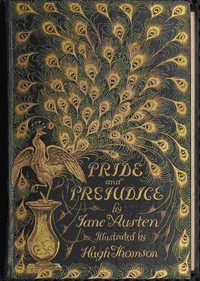
Appeals to fans of: Fans of 'Pride and Prejudice' by Jane Austen, Readers of 'Little Fires Everywhere' by Celeste Ng
Classification Details
Curated Collections
This book appears in these curated collections: