Why It Matters Today
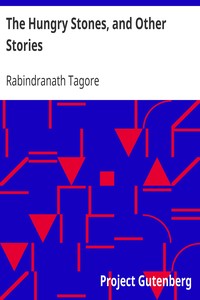
The story of 'Hungry Stones' reveals how the past can haunt or influence our present, a theme highly relevant to today's discussions about history, memory, and cultural identity.
Modern Connections
Big Ideas
The Past Shapes Us
What happened before us still influences who we are, even if we don't realize it.
Memory and Identity
Our memories, especially of culture and history, shape our sense of self.
Time and Perception
Time isn't just a line; it interacts with our minds in mysterious ways, sometimes making history seem alive.
What You'll Learn
- The cultural and social landscape of early 20th-century Bengal.
- How supernatural elements can reflect deeper cultural anxieties.
- Rabindranath Tagore's views on history, memory, and spirituality.
Reader Fit
✅ Good For
- Readers interested in Indian literature and culture.
- Fans of supernatural stories with philosophical undertones.
- Literature enthusiasts wanting to understand Tagore's work.
⚠ Not Ideal For
- Readers seeking fast-paced plots.
- Those uninterested in cultural or historical contexts.
- People looking for contemporary realism or sci-fi.
Controversies & Critiques
- Some critics argue the story romanticizes the supernatural without critically examining its cultural implications.
- By modern standards, the depiction of cultural myths might seem stereotypical or exoticizing.
Reading Context
Before Reading
- Basic knowledge of Indian history and colonial India.
- Familiarity with Tagore's general literary style.
After Reading
- Exploration of other Indian literary works dealing with history and spirituality.
- Study of the postcolonial critique in Indian literature.
Similar Books
Appeals to fans of: Mystery and supernatural fiction that explores cultural roots, like those by Haruki Murakami.
Classification Details
Author
Rabindranath Tagore
Published
1916
Language
English
Subjects
India -- Social life and customs -- Fiction, Short stories, Bengali -- Translations into English, Tagore, Rabindranath, 1861-1941 -- Translations into English
Curated Collections
This book appears in these curated collections: